



























































Intobet Sorunsuz Giriş: Erişim Problemleri ve Çözüm Rehberi

Intobet Sorunsuz Giriş: Erişim Problemleri ve Çözüm Rehberi
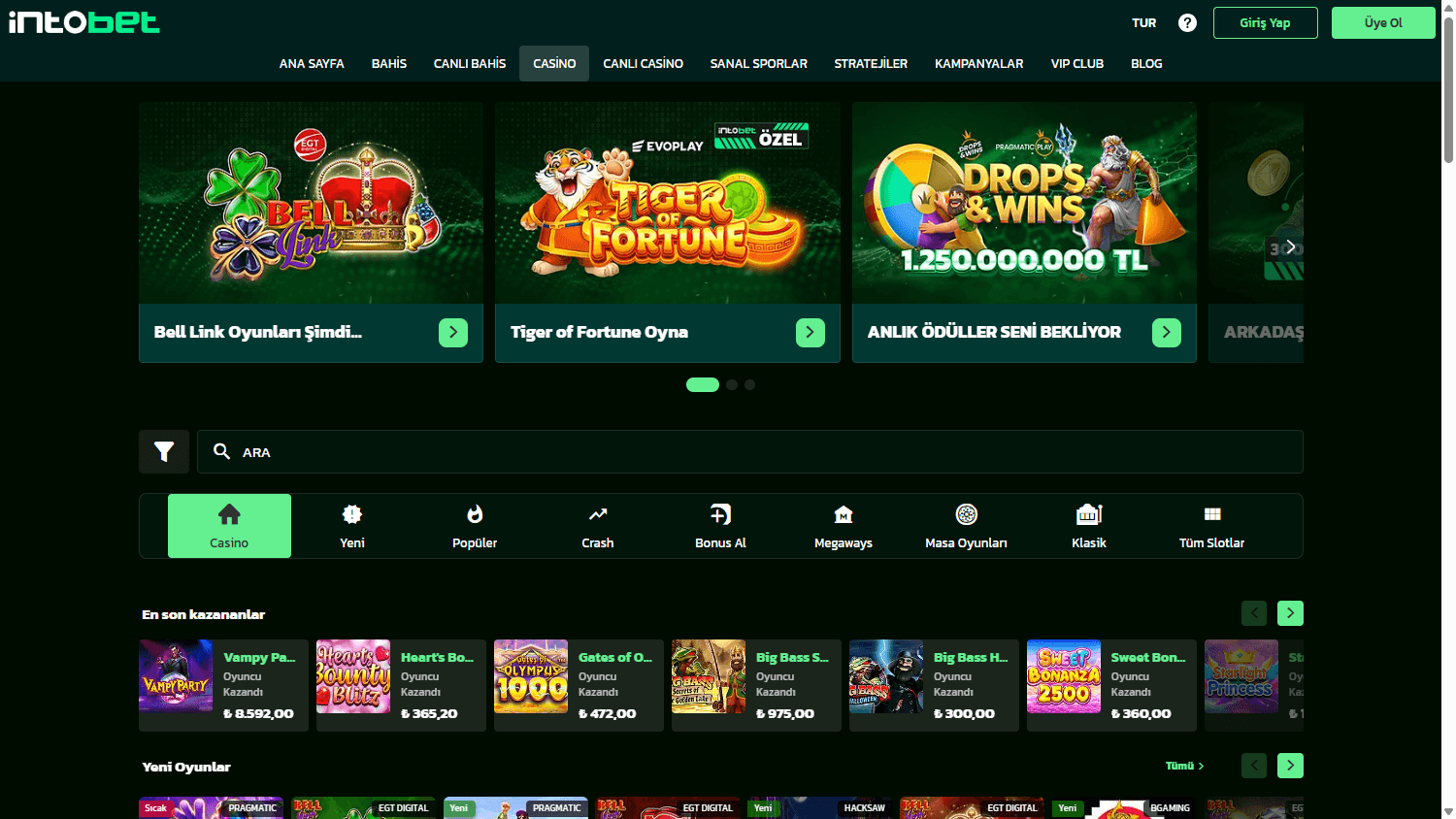
Intobet sorunsuz giriş araması çoğunlukla bir erişim problemi yaşayan kullanıcılar tarafından yapılır. Sayfanın açılmaması, giriş butonunun çalışmaması, kullanıcı bilgilerinin kabul edilmemesi veya sürekli yönlendirme yaşanması gibi farklı sorunlar aynı arama altında toplanabilir.

Bu rehberde sorunun nereden kaynaklanabileceğini anlamak ve güvenli biçimde temel kontrolleri yapmak için izlenebilecek adımları ele alıyoruz.

Intobet Sorunsuz Giriş Ne Demektir?

“Sorunsuz giriş” ifadesi genellikle hesabın normal şekilde açılması, sayfanın düzgün yüklenmesi ve kullanıcı bilgileri girildikten sonra oturumun başarıyla başlaması anlamına gelir.

Ancak giriş sürecini etkileyen birçok unsur vardır. Bunlardan bazıları:

  • Yanlış veya eski bağlantı kullanılması
  • Tarayıcı önbelleği
  • Çerez hataları
  • İnternet bağlantısındaki kesintiler
  • Hesap bilgilerinin yanlış girilmesi
  • Hesap güvenlik kontrolü
  • Cihaz saatinin yanlış olması

1. İnternet Bağlantısını Kontrol Edin

Bir web sayfasının açılmaması her zaman platformdan kaynaklanmaz. Öncelikle başka bir web sitesini açarak internet bağlantısının çalışıp çalışmadığını kontrol etmek gerekir.

Mobil veri ile Wi-Fi arasında geçiş yapmak da bağlantı sorununu tespit etmeye yardımcı olabilir.

2. Kullanılan Adresi Kontrol Edin

Intobet ile ilgili eski veya hatalı bir bağlantı yer imlerinde kayıtlı olabilir. Kullanıcı aynı bağlantıyı tekrar tekrar denediğinde sorun devam eder.

Adres çubuğunda özellikle alan adının yazımına dikkat edilmelidir. Benzer görünen sahte adresler kullanıcı bilgilerini ele geçirmeye çalışabilir.

3. Tarayıcı Önbelleğini Temizleyin

Tarayıcılar sayfaların daha hızlı açılması için bazı dosyaları cihazda saklar. Ancak sayfa yapısı değiştiğinde eski dosyalar yeni sayfayla uyumsuz hale gelebilir.

Bu durumda önbellek ve çerezlerin temizlenmesi sorunu çözebilir.

4. Gizli Sekmede Intobet Giriş Deneyin

Gizli sekme, mevcut çerezlerden bağımsız yeni bir oturum başlatır. Normal sekmede giriş problemi yaşanırken gizli sekmede giriş yapılabiliyorsa sorun büyük olasılıkla tarayıcı verileriyle ilişkilidir.

5. Farklı Tarayıcı Kullanın

Chrome, Firefox, Safari veya Edge gibi farklı tarayıcılardan biriyle sayfayı test etmek yararlı olabilir.

Eğer sorun yalnızca tek tarayıcıda yaşanıyorsa tarayıcı uzantıları, çerez ayarları veya önbellek kontrol edilmelidir.

6. Kullanıcı Adı ve Şifreyi Yeniden Kontrol Edin

Özellikle mobil cihazlarda otomatik düzeltme veya otomatik doldurma nedeniyle kullanıcı bilgileri hatalı girilebilir.

Kontrol Edilecek Noktalar

  • Caps Lock açık mı?
  • Şifrenin başında veya sonunda boşluk var mı?
  • Eski şifre otomatik olarak dolduruluyor mu?
  • Doğru kullanıcı adı kullanılıyor mu?

7. Şifre Sıfırlama

Şifrenin doğru olduğundan emin olunamıyorsa art arda çok sayıda giriş denemesi yapmak yerine şifre sıfırlama yöntemi tercih edilmelidir.

Yeni şifre belirlenirken başka platformlarda kullanılan şifrelerin tekrar kullanılmaması önerilir.

8. Cihaz Tarih ve Saatini Kontrol Edin

Bazı güvenli bağlantılar cihaz saatinin ciddi şekilde yanlış olması durumunda hata verebilir. Telefon veya bilgisayar tarih ve saatinin otomatik ayarda olması genellikle daha sağlıklıdır.

9. VPN veya Proxy Kullanımı

VPN veya proxy bağlantıları bazı sayfalarda ek doğrulama veya bağlantı problemi oluşturabilir. Kullanıcı VPN kullanıyorsa bağlantının bu nedenle etkilenip etkilenmediğini kontrol edebilir.

Bununla birlikte bölgesel kurallar ve erişim koşulları ayrıca dikkate alınmalıdır.

10. Hesap Güvenliği Kontrolü

Bazı giriş sorunları doğrudan cihaz veya tarayıcıyla değil, hesap güvenliğiyle ilgili olabilir. Örneğin olağandışı giriş denemeleri sonrasında hesap geçici olarak ek doğrulama isteyebilir.

Intobet Güncel Giriş ve Sorunsuz Giriş Arasındaki Fark

Arama Arama Amacı
intobet sorunsuz giriş Hata yaşamadan hesaba erişmek
intobet güncel giriş Güncel erişim sayfasını bulmak
intobet giriş güncel Mevcut giriş bilgisinin güncelliğini kontrol etmek

Mobilde Intobet Sorunsuz Giriş

Mobil kullanıcılar çoğunlukla tarayıcı üzerinden giriş yapar. Mobil tarayıcıda eski sekmeler uzun süre açık kalmışsa sayfayı tamamen kapatıp yeniden açmak yararlı olabilir.

Telefon belleğinde aşırı doluluk, eski işletim sistemi veya güncel olmayan tarayıcı da sayfa performansını etkileyebilir.

Mobil Kontrol Listesi

  • Tarayıcıyı güncelleyin.
  • Telefonu yeniden başlatın.
  • Wi-Fi ve mobil veri arasında test yapın.
  • Eski sekmeleri kapatın.
  • Tarayıcı verilerini temizleyin.

Giriş Yapıldıktan Sonra Sayfa Atıyorsa

Kullanıcı adı ve şifre kabul edildiği halde tekrar giriş sayfasına dönülüyorsa çerez engelleme veya oturum problemi yaşanıyor olabilir.

Tarayıcı gizlilik ayarları çok katıysa oturum çerezleri engellenebilir. Bu durumda yalnızca güvenilir site için gerekli çerez ayarlarının kontrol edilmesi gerekebilir.

Hangi Durumlarda Destek Gerekebilir?

  • Şifre sıfırlama e-postası ulaşmıyorsa
  • Telefon numarası değiştiyse
  • Hesap güvenlik nedeniyle kilitlendiyse
  • Kimlik doğrulama tamamlanamıyorsa
  • Hesap bilgileri kullanıcı tarafından değiştirilemiyorsa

Güvenli Sorun Giderme

Giriş problemi yaşayan kullanıcıların en sık yaptığı hatalardan biri internette karşılaştıkları ilk “güncel giriş” bağlantısına kullanıcı adı ve şifre yazmaktır.

Sorunu çözerken hesap güvenliği ikinci plana atılmamalıdır. Bilinmeyen kişilerle şifre paylaşılmamalı ve uzaktan bağlantı isteyen kişilere cihaz erişimi verilmemelidir.

Sık Sorulan Sorular

Intobet sorunsuz giriş neden çalışmıyor olabilir?

Eski adres, internet bağlantısı, tarayıcı çerezleri, yanlış şifre veya hesap güvenlik kontrolü gibi farklı nedenler olabilir.

Sayfa açılmıyorsa ilk ne yapmalıyım?

Başka sitelerin açılıp açılmadığını kontrol edin, ardından adresin güncel olup olmadığını inceleyin.

Tarayıcı değiştirmek işe yarar mı?

Evet. Sorun belirli bir tarayıcının önbellek, çerez veya eklenti ayarlarından kaynaklanıyorsa farklı tarayıcı sorunu teşhis etmeye yardımcı olabilir.

Şifrem doğru olduğu halde neden giriş yapamıyorum?

Hesap geçici olarak güvenlik kontrolüne alınmış olabilir veya tarayıcı oturum problemi yaşanıyor olabilir.

Intobet sorunsuz giriş bağlantısı sabit midir?

Erişim bilgileri zaman içinde değişebileceği için herhangi bir adresin sürekli geçerli olduğu varsayılmamalıdır.

FAQ

Çevrimiçi kumarhanelerin ortaya çıkışı rulet oyununu nasıl etkiledi?

Çevrimiçi kumarhanelerin ortaya çıkışı rulet oyununu nasıl etkiledi? Çevrimiçi kumarhanelerin tanıtılmasının rulet oyunu üzerinde önemli bir etkisi oldu. Çevrimiçi kumarhaneler, rulet ve diğer kumarhane oyunlarını internet bağlantısı olan herkesin kolayca erişebilmesini sağladı. Oyuncular artık gerçek bir kumarhaneye gitmek zorunda kalmadan, en sevdikleri kumarhane oyunlarının keyfini kendi evlerinin konforunda çıkarabilecekler. Çevrimiçi kumarhaneler ayrıca, genellikle geleneksel kumarhanelerde bulunmayan çok tekerlekli rulet ve mini rulet gibi yeni rulet çeşitlerini de tanıttı. Ek olarak, birçok çevrimiçi kumarhane, fiziksel bir kumarhanede oynama deneyimini simüle eden canlı krupiyeli rulet sunmaktadır.

Türkiyede Yasal Casino Siteleri Var mı? 2026 Gerçekleri

Yasal Casino Siteleri Var mı? Türkiye’de online casino oyunları oynatan yasal hiçbir site bulunmamaktadır. Türkiye yasalarına göre online casino tamamen yasaktır ve devlet bu tür siteleri yasaklamaktadır. Örneğin, devlet sadece spor bahislerine izin verirken, slot oyunları,Rulet, blackjack ve canlı casino gibi aktiviteleri yasa dışı sayar. Bu nedenle Türkiye sınırları içinde yasal online casino servisi veren hiçbir şirket yoktur. Devlet tarafından lisanslanmış yasal bahis siteleri vardır ama bunlar sadece spor bahisleri ve iddia oyunları sunar, casino oyunları vermez.

InBet Nedir? 70+ Spor Bahsi ve 3000+ Casino Oyunu İle Kazanın!

InBet, spor bahisleri, e-spor bahisleri ve çevrimiçi casino hizmetleri sunan kapsamlı bir oynatma platformudur. Platform, her gün 70+ farklı spor dalında yüzlerce etkinlik listeliyor ve aylık 70.000+ spor etkinliğiyle 1.000+ bahis pazarı sunuyor. Kullanıcılar futbol, basketbol, tenis, e-spor ve sanal sporlar gibi alanlarda bahis yapabilirken, aynı zamanda 3.000+ casino oyunu da erişebilirler. Spor bahis bölümünde InBet, single, multiple, system ve chain bahis tiplerini destekliyor. Cash Out ve Partial Cash Out özellikleri sayesinde oyuncular, maç devam ederken veya önceden bahsini erken kapatabilir.

Deneme Bonusu Veren Siteler

Deneme bonusu veren siteler, yeni kullanıcıların para yatırmadan platformu denemesine imkan tanıyan kampanyalar sunar; bu bonuslar çoğunlukla yatırım şartsız deneme bonusu, freebet ya da free spin şeklinde olur ve kullanıcıya örneğin 50 TL, 100 TL, 250 TL veya daha farklı paketlerle verilebilir. Bu nedenle bir site seçerken sadece bonus miktarına değil, bonusun hangi oyunlarda geçerli olduğuna ve hangi şartlarla kullanılabildiğine bakmak gerekir. Son dönemde deneme bonusu veren siteler arasında Betmabet, Milli Bahis, Kazival, Atlantis Bahis, Bed Piner, Akcabet, Casino Royal ve Merit Liman gibi isimler öne çıkmaktadır; örneğin bazı siteler 100 freebet sunarken bazıları 100 free spin ya da 500 TL’ye kadar deneme bonusu verebilir.

2026 Deneme Bonusu Veren Siteler | En Yüksek 2000 TL Bonus!

Deneme bonusu hangi site veriyor? 2026 yılında Maritbet, Youwin, Superbahis, Winmobi, Goldroyal ve Maxibet gibi siteler yeni üyelere deneme bonusu sunuyor. Maritbet 2000 TL’ye kadar deneme bonusu verir ve kayıt sonrası hemen 20 TL aktif olur, belge istenmez. Youwin 1000 TL free bonus ve 25 TL deneme bonusu ile freespin kampanyaları sunar. Superbahis 100 TL bonus ve 20 freespin verir ve güvenilirliği yıllarla denenmiş bir sitektendir. Winmobi 200 TL, Goldroyal 300 TL ve Maxibet 400–500 TL arasında değişen yüksek deneme bonusları sunar.

Bu site yalnızca ilgili makaleleri toplar. Orijinalini görmek için lütfen aşağıdaki bağlantıyı kopyalayın ve açın:Intobet Sorunsuz Giriş: Erişim Problemleri ve Çözüm Rehberi

Intobet Giriş Rehberi: Intobet, Sorunsuz Giriş ve Güncel Giriş
Son Makaleler Popüler Makaleler
Tavsiye Edilen Makaleler

Silicon Valley Medical Imaging – Providing Clarity

Providing Clarity What is an Ultrasound? An ultrasound is an imaging test that uses sound waves to create real-time pictures or video of soft tissues in your body. An ultrasound is an imaging test that uses sound waves to create real-time pictures or video of soft tissues inside your body. Ultrasound (also called sonography or ultrasonography) is a noninvasive imaging test. An ultrasound picture is called a sonogram. Ultrasound uses high-frequency sound waves to create real-time pictures or video of internal organs or other soft tissues, such as blood vessels. Ultrasound enables healthcare providers to “see” details of soft tissues inside your body without making any incisions (cuts). And unlike X-rays, ultrasound doesn’t use radiation. Although most people associate ultrasound with pregnancy, healthcare providers use ultrasound for many different situations and to look at several different parts of the inside of your body. During an ultrasound, a healthcare provider passes a device called a transducer or probe over an area of your body or inside a body opening. The provider applies a thin layer of gel to your skin so that the ultrasound waves are transmitted from the transducer through the gel and into your body. The probe converts electrical current into high-frequency sound waves and sends the waves into your body’s tissue. You can’t hear the sound waves. Sound waves bounce off structures inside your body and back to the probe, which converts the waves into electrical signals. A computer then converts the pattern of electrical signals into real-time images or videos, which are displayed on a computer screen nearby. There are three main categories of ultrasound imaging, including: Pregnancy ultrasound (prenatal ultrasound). Diagnostic ultrasound. Ultrasound guidance for procedures. Healthcare providers often use ultrasound (often called prenatal or obstetric ultrasound) to monitor you and the fetus during pregnancy. Providers use prenatal ultrasound to: Confirm that you’re pregnant. Check to see if you’re pregnant with more than one fetus. Estimate how long you’ve been pregnant and the gestational age of the fetus. Check the fetal growth and position. See the fetal movement and heart rate. Check for congenital conditions (birth defects) in the fetal brain, spinal cord, heart or other parts of its body. Check the amount of amniotic fluid. Most healthcare providers recommend an ultrasound at 20 weeks pregnant. This test tracks the fetus’s growth and development during pregnancy. This ultrasound may also show the biological sex of the fetus. Tell your technician if you do or do not want to know the sex. Your provider may order extra scans to get answers to any questions or concerns, such as the potential for congenital conditions. Providers use diagnostic ultrasounds to view internal parts of your body to see if something is wrong or not working properly. They can help your provider learn more about what’s causing a wide range of symptoms, such as unexplained pain, masses (lumps) or what may be causing an abnormal blood test. For most diagnostic ultrasound exams, the technician places the transducer (probe) on your skin. In some cases, they may need to place the probe inside your body, such as in your vagina or rectum. The type of diagnostic ultrasound you have depends on the details of your case. Examples of diagnostic ultrasounds include: Abdominal ultrasound: An ultrasound probe moves across the skin of your midsection (belly) area. Abdominal ultrasound can diagnose many causes of abdominal pain. Kidney (renal) ultrasound: Providers use kidney ultrasound to assess the size, location and shape of your kidneys and related structures, such as your ureters and bladder. Ultrasound can detect cysts, tumors, obstructions or infections within or around your kidneys. Breast ultrasound: A breast ultrasound is a noninvasive test to identify breast lumps and cysts. Your provider may recommend an ultrasound after an abnormal mammogram. Doppler ultrasound: This is a special ultrasound technique that assesses the movement of materials, like blood, in your body. It allows your provider to see and evaluate blood flow through arteries and veins in your body. Doppler ultrasound is often used as part of a diagnostic ultrasound study or as part of a vascular ultrasound. Pelvic ultrasound: A pelvic ultrasound looks at the organs in your pelvic area between your lower abdomen (belly) and legs. Some of the pelvic organs include your bladder, prostate, rectum, ovaries, uterus and vagina. Transvaginal ultrasound: Your provider inserts a probe into your vaginal canal. It shows reproductive tissues such as your uterus or ovaries. A transvaginal ultrasound is sometimes called a pelvic ultrasound because it evaluates structures inside your pelvis (hip bones). Thyroid ultrasound: Providers use ultrasound to assess your thyroid, a butterfly-shaped endocrine gland in your neck. Providers can measure the size of your thyroid and see if there are nodules or lesions within the gland. Transrectal ultrasound: Your provider inserts an ultrasound probe transducer into your rectum. It evaluates your rectum or other nearby tissues, such as the prostate in males. Providers sometimes use ultrasound to perform certain procedures precisely. A common use of ultrasound is to guide needle placement to sample fluid or tissue from: Tendons. Joints. Muscles. Cysts or fluid collections. Soft-tissue masses. Organs (liver, kidney or prostate). Transplant organs (liver, kidney or pancreas). Examples of other procedures that may require ultrasound guidance include: Embryo transfer for in vitro fertilization. Nerve blocks. Confirming the placement of an IUD (intrauterine device) after insertion. Lesion localization procedures. For ultrasounds during pregnancy, the traditional ultrasound is a two-dimensional (2D) image of the fetus. 2D ultrasound produces outlines and flat-looking images, which allows your healthcare provider to see the fetus’s internal organs and structures. Three-dimensional (3D) ultrasound allows the visualization of some facial features of the fetus and possibly other body parts such as fingers and toes. Four-dimensional (4D) ultrasound is 3D ultrasound in motion. Providers rarely use 3D or 4D fetal ultrasound imaging for medical purposes, though it can be useful in diagnosing a facial or skeletal issue. They do, however, use 3D ultrasound for other medical purposes, such as evaluating uterine polyps and fibroids. While ultrasound is generally considered to be safe with very low risks, the risks may increase with unnecessary prolonged exposure to ultrasound energy or when untrained users operate an ultrasound machine. Because of this, the U.S. Food and Drug Administration (FDA) advises against getting a 3D ultrasound for non-medical reasons such as for “keepsake” moments or entertainment. A doctor or a healthcare provider called an ultrasound technician or sonographer performs ultrasounds. They’re specially trained to operate an ultrasound machine properly and safely. It’s important to always have your ultrasound performed by a medical professional and in a medical facility. How do I prepare for an ultrasound? The preparations will depend on the type of ultrasound you’re having. Some types of ultrasounds require no preparation at all. For ultrasounds of the pelvis, including ultrasounds during pregnancy, of the female reproductive system and of the urinary system, you may need to fill up your bladder by drinking water before the test. For ultrasounds of the abdomen, you may need to adjust your diet or fast (not eat or drink anything except water) for several hours before your test. In any case, your healthcare provider will let you know if you need to do anything special to prepare for your ultrasound. They may give you instructions during an appointment or when scheduling your ultrasound. Instructions may also be available in your electronic medical records if you use such a system. What happens during an ultrasound? Preparation for an ultrasound varies depending on what body part you’ll have scanned. Your provider may ask you to remove certain pieces of clothes or change into a hospital gown. Ultrasounds that involve applying the transducer (probe) over your skin (not in your body), follow these general steps: You’ll lie on your side or back on a comfortable table. The ultrasound technician will apply a small amount of water-soluble gel on your skin over the area to be examined. This gel doesn’t harm your skin or stain your clothes. The technician will move a handheld transducer or probe over the gel to get images inside your body. The technician may ask you to be very still or to hold your breath for a few seconds to create clearer pictures. Once the technician has gotten enough images, they’ll wipe off any remaining gel on your skin and you’ll be done. An ultrasound test usually takes 30 minutes to an hour. If you have any questions about your specific type of ultrasound, ask your healthcare provider. Is an ultrasound painful? Ultrasounds that are performed externally (over your skin) are generally not painful. You won’t feel the sound waves that ultrasound uses. If you have to have a full bladder for the procedure, it may be uncomfortable. It may also be uncomfortable to lay on the exam table if you’re pregnant. Ultrasounds that go inside body cavities, such as your vagina or rectum, may be uncomfortable, but they shouldn’t hurt. Are ultrasounds safe? Yes, research to date has largely shown ultrasound technology to be safe with no harmful side effects. Ultrasound doesn’t use radiation, unlike some other medical imaging tests, such as X-rays and CT scans. Still, all ultrasounds should be done by a professional who has training in using this specialized technology safely. When should I know the results of my ultrasound? The time it takes to get your results depends on the type of ultrasound you get. In some cases, such as prenatal ultrasound, your provider may analyze the images and provide results during the test. In other cases, a radiologist, a healthcare provider trained to supervise and interpret radiology exams, will analyze the images and then send the report to the provider who requested the exam. Your provider will then share the results with you or they may be available in your electronic medical record (if you have an account set up) before your provider reviews the results. Ultrasound can help providers diagnose a wide range of medical issues, including: Abnormal growths, such as tumors or cancer. Blood clots. Enlarged spleen. Ectopic pregnancy (when a fertilized egg implants outside of your uterus). Gallstones. Aortic aneurysm. Kidney or bladder stones. Cholecystitis (gallbladder inflammation). Varicocele (enlarged veins in the testicles). What type of ultrasound do I need? What should I do to prepare for my ultrasound? Do I need any other tests? When should I expect to get test results? Our Board Certified, sub-specialty fellowship trained physicians offer an excellent report turnaround time within a contemporary, comfortable and ambient environment. We provide images on CDs or online via our secure referring physician portal. See all doctors Our latest top-of-the-line diagnostic imaging scanners are Certified by the American College of Radiology (ACR). We accept most insurances and offer attractive cash prices for those without insurances. See all services

# Makalelerin Başlığı Anahtar Kelime Makaleye Bağlantı Makalelerin Detayları